On this page · 6 sections
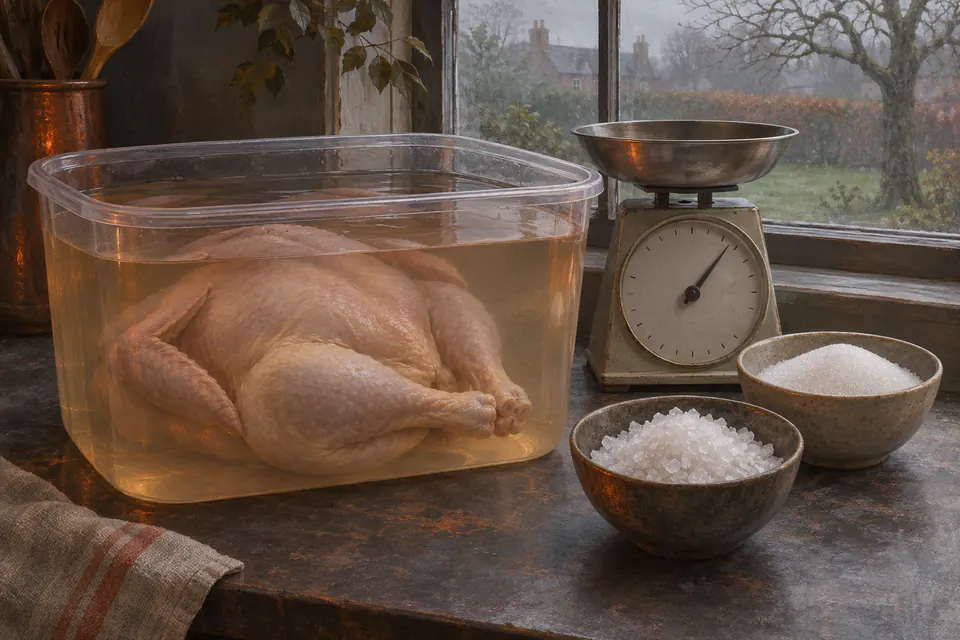
Brine maths isn't hard, but it's exactly the sort of sum you get wrong at 10pm with a turkey crown in the sink. The calculator turns a percentage into grams so you can weigh it out and go to bed.
Three ways to brine
| Type | The percentage is of… | Good for | Watch out for |
|---|---|---|---|
| Wet brine | The water only | Turkey, chicken, pork chops | Gets saltier the longer it sits |
| Equilibrium brine | Meat and water together | Anything you might leave a bit long | Takes longer to season through |
| Dry brine | The meat only | Chicken skin, pork belly, brisket | Needs fridge space with the meat uncovered |
Wet brines are the classic bucket-of-salty-water job. Because the brine is stronger than the meat will end up, timing matters: follow the recipe and take the meat out on time.
Equilibrium brines use less salt, worked out against the combined weight. The meat can only ever get as salty as the brine, so an extra half-day doesn't ruin anything. That makes them the forgiving choice for a first go.
Dry brining is just salting ahead. The salt draws moisture out, dissolves in it and soaks back in. Leaving the meat uncovered in the fridge also dries the surface, which is why it's the trick for crisp chicken skin.
How the numbers work
The calculator multiplies the base weight (water, meat plus water, or meat) by your percentage. One litre of water is treated as one kilogram. Two kilograms of meat in two litres of water at 2% salt is 4 kg × 2% = 80 g. That's all it does, and it shows the base weight so you can check it.
The percentages it starts with are common starting points, not rules. Your recipe wins.
Weigh, don't spoon
A tablespoon of fine table salt weighs a lot more than a tablespoon of flaky sea salt. Recipes written in spoons assume one particular salt, and it's rarely the one in your cupboard. A cheap kitchen scale fixes this.
Food safety while brining
Brining meat stays cold the whole time: in the fridge, or in a cool box packed with ice if the fridge is full of beer. Make the brine with a little hot water to dissolve the salt, then top up with cold and chill it fully before the meat goes in. Don't reuse brine. Rinse a wet-brined bird and pat it dry before it goes on the smoker.
Next step
Brined poultry browns faster because of the sugar, so keep an eye on the skin. Plan the timing with the smoking time planner, then see smoked whole chicken or smoked turkey for Christmas for the cook itself.
FAQs
Can I use table salt for brining?
Yes, as long as you weigh it. Iodised table salt can taste slightly metallic in strong brines, so many cooks prefer plain fine sea salt.
Do I have to add sugar?
No. Sugar balances the salt and helps browning, but a salt-only brine works fine. Set sugar to 0.
Should I brine a ham or gammon?
No. Gammon is already cured and salty. See our smoked gammon guide instead.
Does brining stop meat drying out?
It helps lean meat like turkey breast hold onto moisture, but it won't rescue meat that's overcooked. A probe thermometer does more for juiciness than any brine.
Keep going
 Cooks
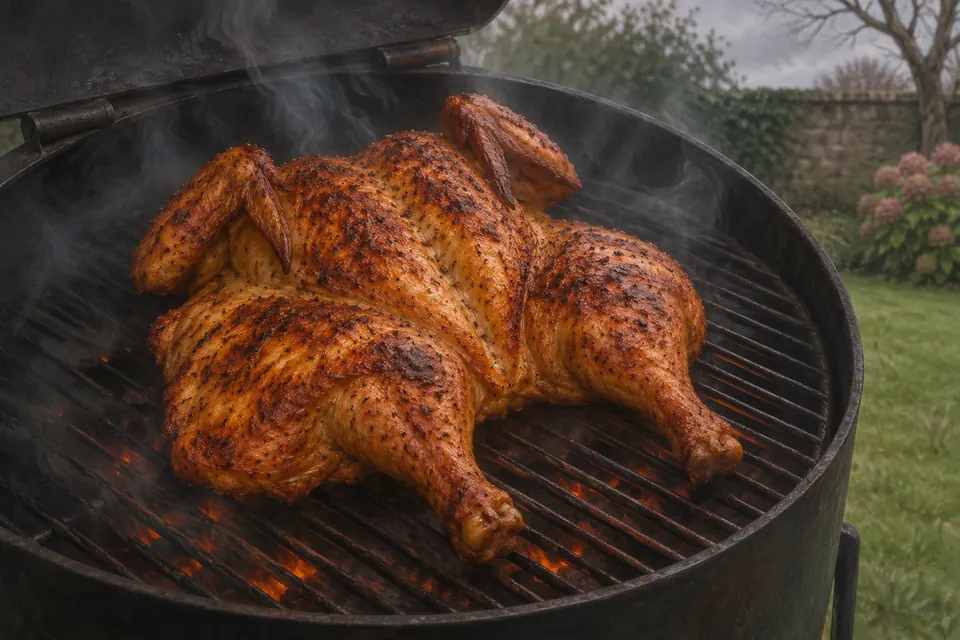
Smoked whole chicken
How to smoke a whole chicken in the UK: spatchcocking, dry brining, the higher temperature that stops rubbery skin, and checking it's safely cooked.
Read the guide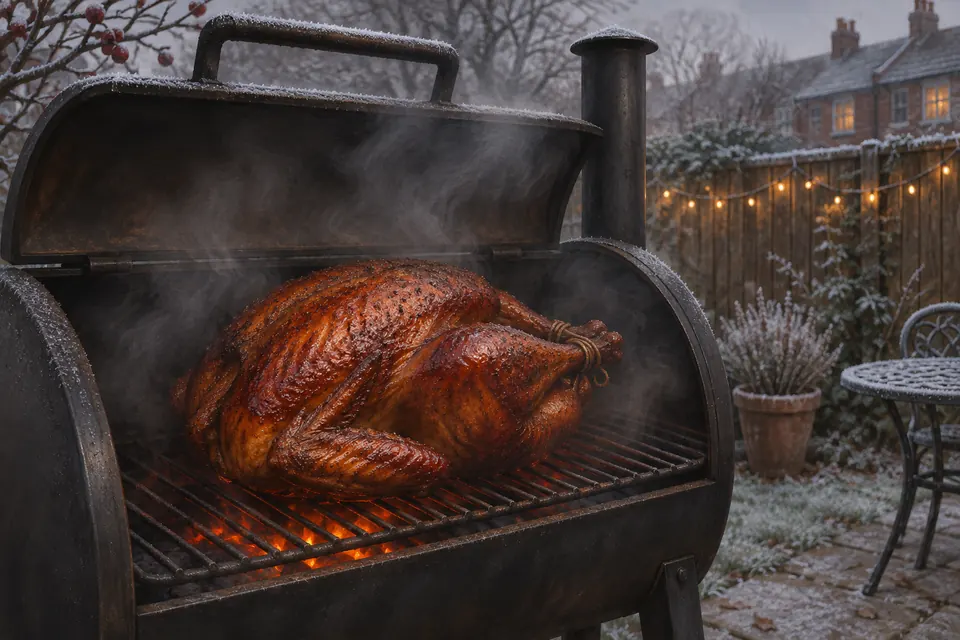 Cooks
Smoked Christmas turkey
How to smoke a turkey for Christmas in the UK: crown vs whole bird, brining, cooking in cold weather, and freeing up the oven for everything else.
Read the guide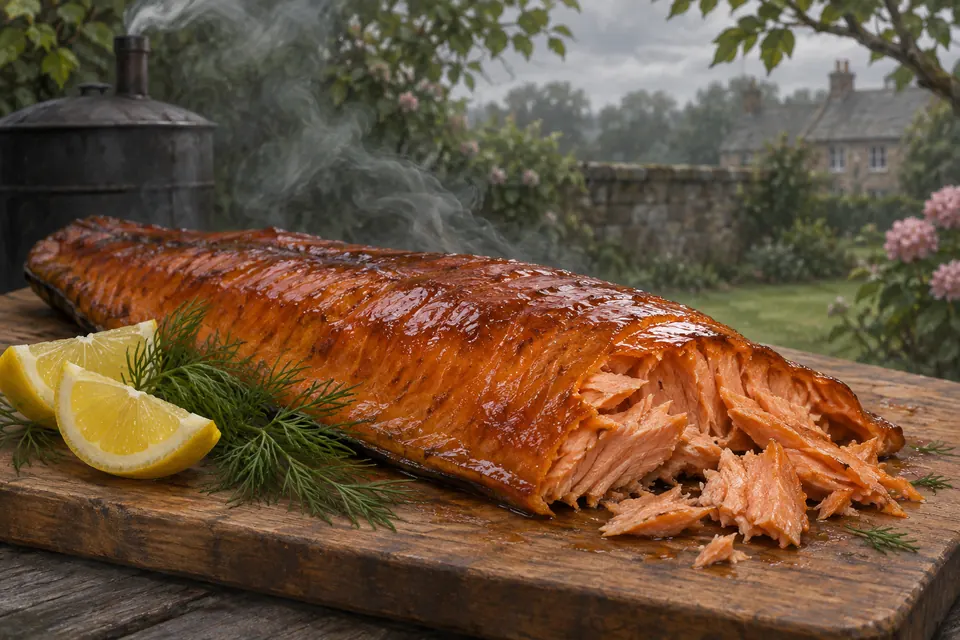 Cooks
Hot-smoked salmon
How to hot smoke salmon at home: how it differs from cold-smoked, dry cure or brine, forming a pellicle, and the gentle heat that keeps it moist.
Read the guide