On this page · 8 sections
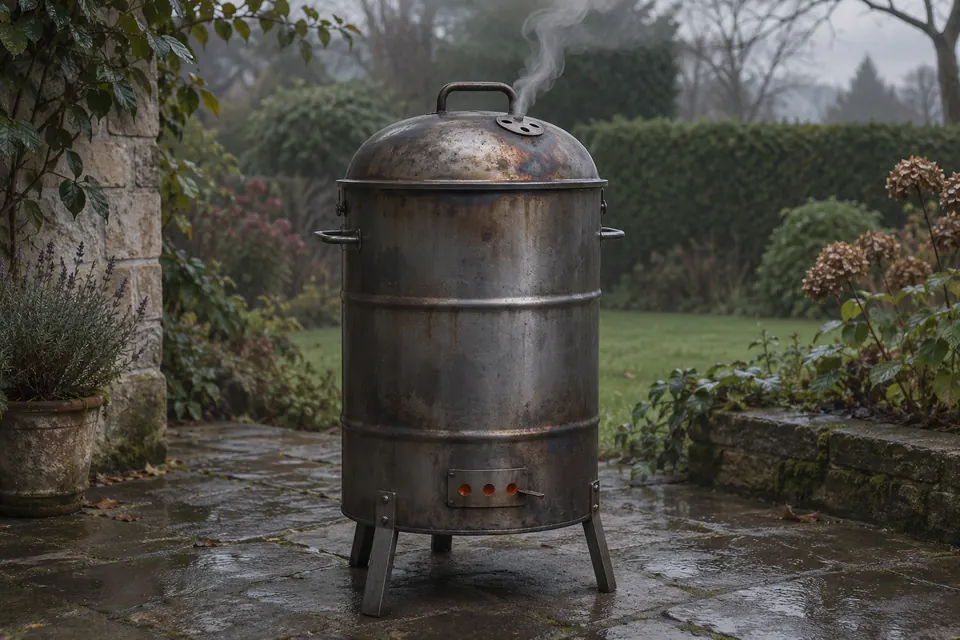
An ugly drum smoker is a brilliant cooker and a terrible place to cut corners. Built from the right drum with the right parts, it holds a low temperature for hours with almost no fuss and costs a fraction of most shop-bought smokers. Built from the wrong drum, it can put things into your food that no amount of rub will cover. Most of this page is about getting that first decision right.
What an ugly drum smoker is
A UDS is a large steel drum stood upright, with a fire at the bottom and food at the top. The name comes from the look, which is industrial at best. Nobody builds one to impress the neighbours.
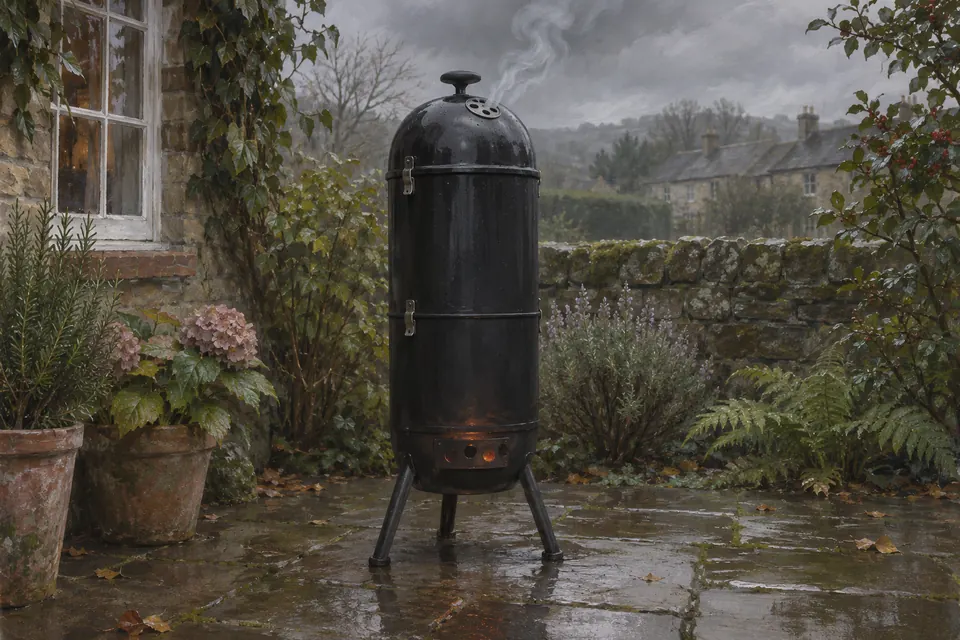
It works on the same principle as a bullet smoker: a vertical chamber, charcoal underneath, meat above, and airflow controlled at the bottom and let out at the top. The difference is scale and simplicity. A drum gives you a tall, roomy chamber with thick walls, and there's very little to go wrong once it's together.
Why people build them
There are three usual reasons.
- It's cheap for the size. A drum has more space inside than most budget smokers, so a pork shoulder or a couple of racks of spare ribs fit without a fight.
- It's steady. Once a UDS settles, it tends to sit at one temperature for hours. That makes it popular with people who'd rather sleep through an overnight cook than babysit a fire.
- People like making things. For a lot of builders, the project is half the appeal. Fair enough.
The flavour is a little different from an offset or kamado. Fat drips straight onto the coals and sizzles back up as smoke, which gives a rich, slightly grilled edge to the meat.
How a UDS works
The intake
Near the base of the drum sit a few small air holes, usually with some way to open, close or partly cover each one. This is your main control. More air in means a hotter fire; less air means a cooler one.
The charcoal basket
A basket of expanded steel or mesh sits near the bottom and holds the charcoal, with a gap underneath so ash can fall away and air can reach the fire from below. The basket is what gives a UDS its long burn: you fill it with unlit charcoal, add a few lit coals in one spot, and the fire spreads slowly through the pile over many hours. It's the same idea as the snake method on a kettle, just arranged in a heap rather than a ring.
The grate
The cooking grate sits towards the top of the drum, well above the fire. Some builds add a second grate lower down for extra room. The distance between coals and meat is what stops a UDS from turning into a very tall grill, and most designs keep it generous.
The lid exhaust
The lid has an exhaust hole, often with a simple cap or cover. Smoke and hot air rise through the drum and leave here, which draws fresh air in through the intakes below. Leave it mostly open and let the intakes do the controlling; our guide to smoker temperature control explains why.
The drum: the rule that matters most
Everything here applies before you drill a single hole.
Use only a brand-new, unlined, food-safe steel drum. That means a drum that has never held anything, with no coating, lining or paint on the inside. Food-safe drums are sold new by drum suppliers; ask specifically for an unlined one and check the inside yourself.
Never use a drum that held chemicals, oil, fuel or anything you don't know about. Residues soak into seams and crevices and can be released when heated. A drum from a farm, a scrapyard or the back of an industrial estate is not a bargain. You have no reliable way of knowing what was in it.
Burning off is not a reliable fix. You'll read plenty of advice about lighting a big fire inside a used drum to "clean" it. It may remove some coatings and residues, but you can't confirm what's left, and the burn itself releases fumes you don't want to be near. The usual safe advice is simple: if the drum isn't new and unlined, don't cook in it.
Lined or painted inside means no. Many drums have an internal lining, often a reddish or cream colour. Linings and paints are not made to be heated under food, and they can give off harmful fumes.
Avoid galvanised parts anywhere heat reaches. Galvanised steel has a zinc coating that gives off harmful fumes when it gets hot. That rules out galvanised bolts, mesh, grates and baskets inside the drum. Plain or stainless steel is the usual choice.
Outdoors only. A UDS is a charcoal fire in a metal can. It produces carbon monoxide like any other charcoal smoker, so it belongs outside in open air, never in a garage, shed, tent or covered porch.
Parts list, in words
This isn't a build guide, and we're deliberately not giving drilling positions or dimensions. Plans vary, and you should follow one complete, reputable design rather than a patchwork. In broad terms, a UDS needs:
- a new, unlined, food-safe steel drum with a removable lid
- a few intake fittings near the base, at least one adjustable
- a charcoal basket of plain or stainless expanded steel, with legs or a stand to lift it off the floor of the drum
- an ash pan or tray under the basket, which makes cleaning out much less grim
- one or two round cooking grates and the plain or stainless fixings that hold them
- an exhaust in the lid with a simple cover
- a lid thermometer if you like, plus a separate grate-level probe thermometer, because lid dials are rarely accurate
- high-temperature paint for the outside only, if you want it to survive British weather
Do the first burn empty. Run the new smoker for a couple of hours with no food in it to burn off any manufacturing oils from the new parts and see how it holds temperature.
Running a UDS
Fill the basket, light a small number of coals in one spot, put the lid on and set the intakes partly open. Let it settle before any food goes on, and chase your target from below, closing intakes as you approach it. Most builders find their drum likes a narrow window of settings and then sits there all day.
Because food sits directly over the fire, a UDS often runs a little hotter and faster than an offset or pellet grill. It's well suited to pork shoulder, ribs and chicken; brisket works too but needs a bit more care. Add two or three wood chunks to the basket for smoke and keep the fire clean: our guide to fire management and thin blue smoke explains what good smoke looks like.
Build one, or buy a bullet smoker?
| Ugly drum smoker | Shop-bought bullet smoker | |
|---|---|---|
| Effort | A weekend of work, plus sourcing parts | Unbox and assemble |
| Safety of materials | Entirely on you | Made from parts intended for cooking |
| Temperature stability | Very good once settled | Good, depends on model |
| Space | Generous for the cost | Varies by size |
| Looks | Industrial, to be kind | Tidy |
Build one if you're comfortable with basic metalwork, can source a genuinely new food-safe drum and plain or stainless fittings, and enjoy the project as much as the pulled pork.
Buy a bullet smoker if you'd rather cook than build, you're not confident about materials, or you can't get hold of a drum you can trust. There's no shame in it. A bullet does almost everything a UDS does, and the bullet smoker guide covers what to look for. If you're still unsure which type suits you at all, the smoker picker asks seven quick questions and points you in a direction.
Before you buy any parts, track down a new, unlined, food-safe drum first. If you can't find one, that answers the build-or-buy question for you.
FAQs
Can I use an old oil drum for a UDS?
No. Drums that held oil, fuel or chemicals can leave residues you can't reliably remove, and burning them off isn't a dependable fix. Use only a brand-new, unlined, food-safe drum.
Is a galvanised grate or mesh OK inside the drum?
No. Galvanised steel gives off harmful fumes when heated. Use plain or stainless steel for anything inside the drum or near the fire.
How long does a UDS hold temperature on one load of charcoal?
A full basket typically lasts many hours at low-and-slow temperatures, often enough for an overnight cook, but it depends on the build, the charcoal and the weather. Keep spare fuel to hand for long cooks.
Can I use a UDS in a garage if the door is open?
No. Like any charcoal smoker it produces carbon monoxide. Use it outdoors in open air, away from buildings, fences and anything flammable.
Keep going
 Choosing a smoker
Bullet smokers explained
How a bullet (water) smoker works, what the water pan does, who should buy one and who shouldn't, plus ugly drum smokers and the drums to avoid.
Read the guide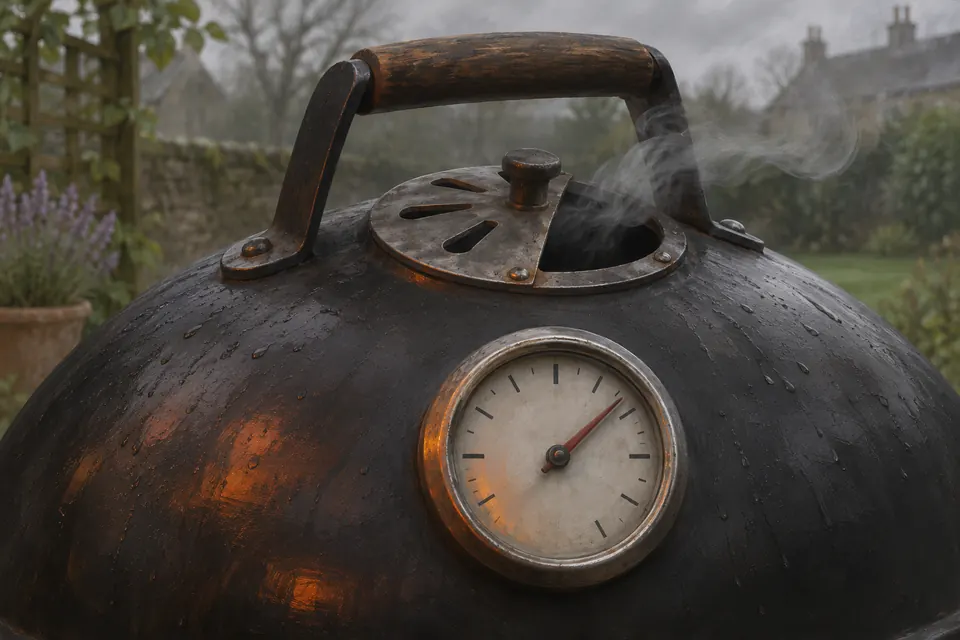 TechniqueCornerstone
Smoker temperature control
How to hold a steady smoker temperature with vents, fuel and placement, why the lid gauge lies, and what to do when the temperature drifts.
Read the guide TechniqueCornerstone
Thin blue smoke
Clean fire versus smouldering fire, how airflow shapes the smoke, when to add wood, and how to read smoke colour on any charcoal or wood smoker.
Read the guide